

Peak of Muslim Philosophy
On June 22nd, 1037, Avicenna died after advancing Islamic Science, medicine, and philosophy through hundreds of books. Among them, a translation of Euclid and a treatise on minerals. He was followed nearly a hundred years later by Averroes, whose translation of Aristotle put him at the top of Islamic philosophy and whose translations to Latin threatened the foundations of Christianity. In Averroes' life, the ideological decline of Islam started in 1150 when the Caliph Mustanjid of Baghdad ordered burned all the philosophical works of Avicenna and the Brethren of Sincerity. Then, in 1194, the Emir Abu Yusuf Yaqub al-Mansur, then at Seville, ordered the burning of all the works by Averroes except a few on natural science. After the year 1200, Islam shunned speculative thought—and as political power began to decline, the government sought more and more the aid of theologians who in turn used their power to further prevent free thought. This paved the way for the Christian invasion of Spain and the retake of Jerusalem (through the sixth Crusade). By 1258 the Mongols took and destroyed Baghdad. The grandeur of Islam had come to an end.
Source: Durant, Will. The Age of Faith: A History of Medieval Civilization, Christian, Islamic, and Judaic, From Constantine to Dante, A.D. 325-1300. New York: Simon and Schuster, 1950.
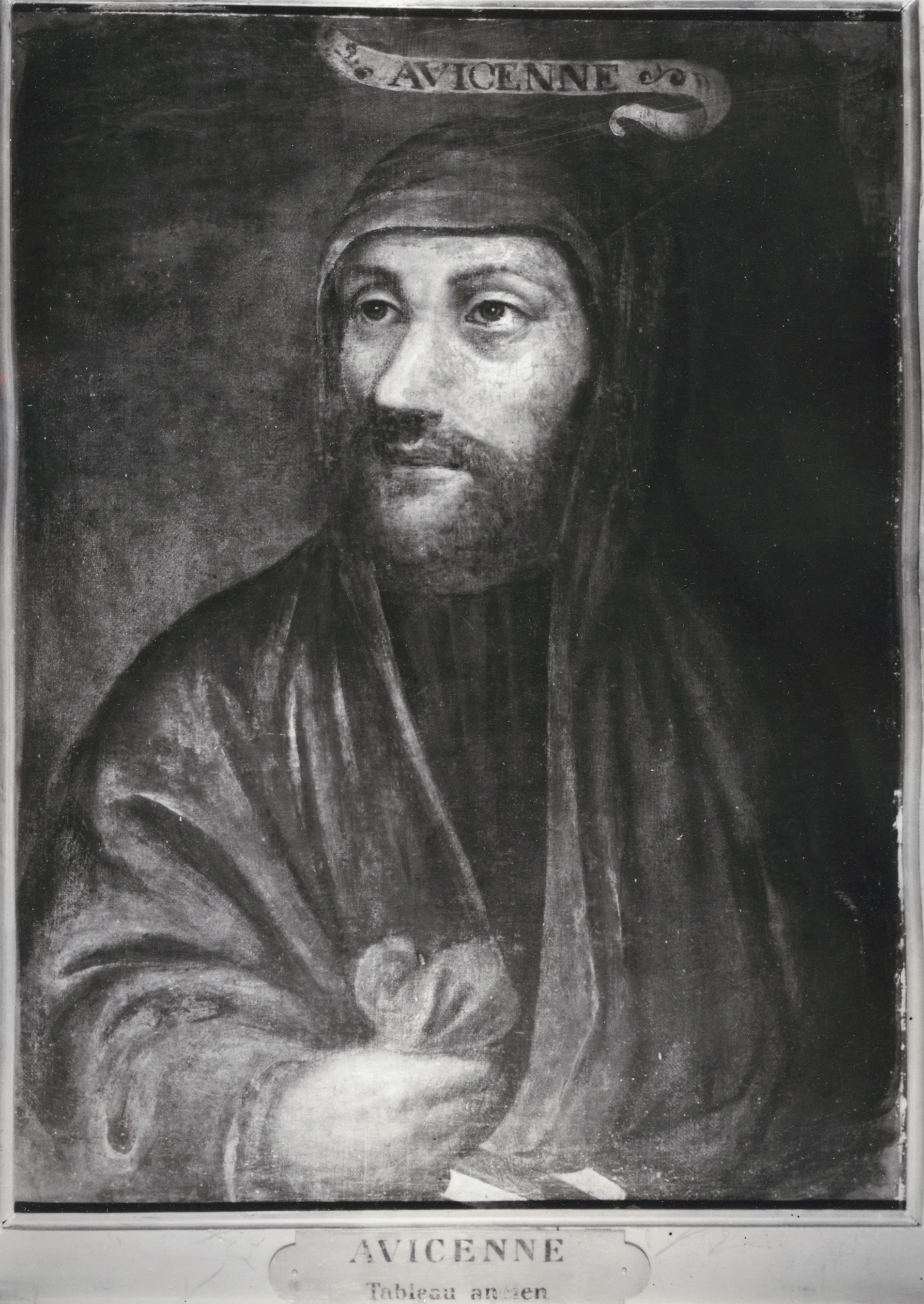
Public Domain
Back to archive
Full disclosure, I may occasionally borrow a sentence from Will Durant's Story of Civilization. I absolutely love that collection!