

The Mongol Conquest
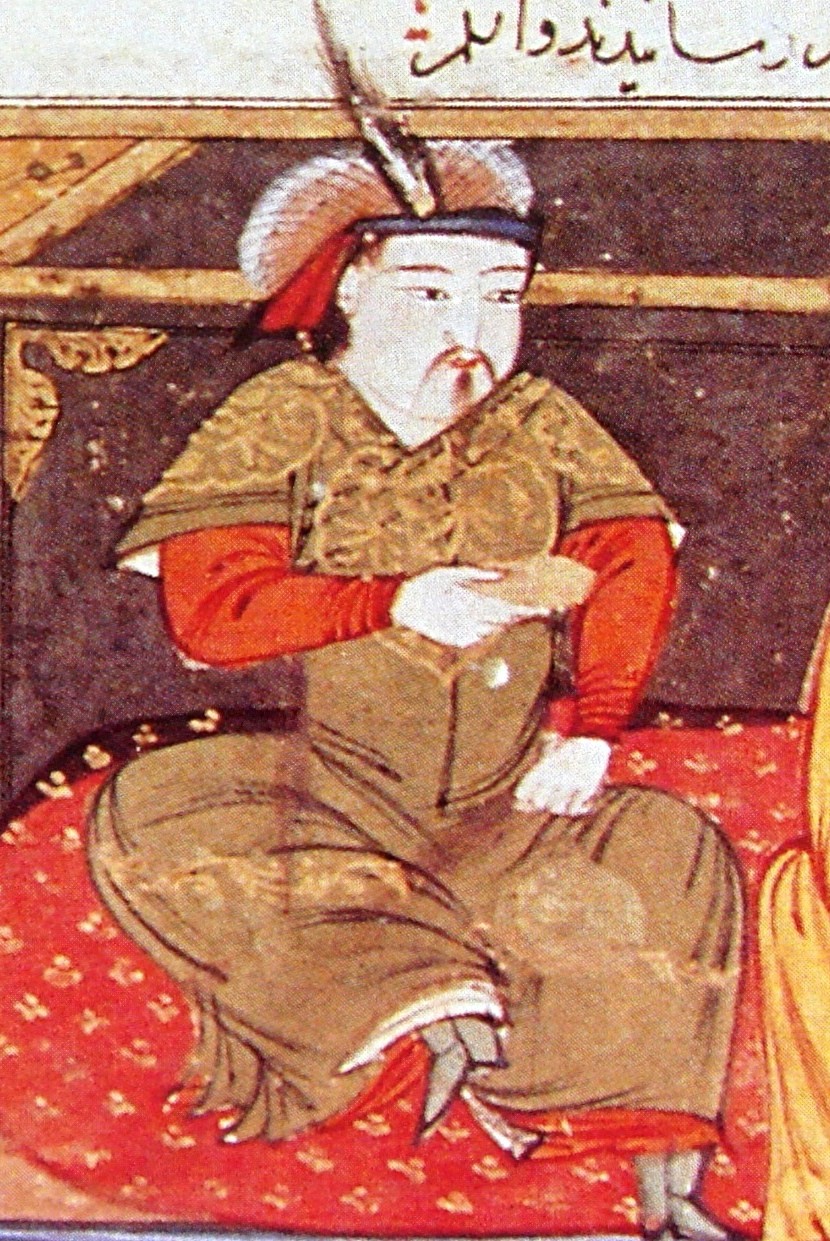
On February 12th, 1258, a grandson of Genghis Khan, Hulagu, marched on Baghdad. Once inside, he began forty days of pillage, killing 800,000 of the inhabitants. This marked the end of the Abbasid Caliphate which began to fall forty years earlier, when Genghis Khan and his sons declared war—ravaging every town in their march, from Otrar to Armenia. Such was the speed and devastation of the Mongol Conquest, having a peak death-rate, we are told, of 1,300,000 in thirteen days. But this date was also the beginning of the end of their conquest. Hulagu returned to Mongolia and his army was destroyed near Syria in 1260. At the end of the day, never in history had civilization suffered so suddenly so devastating a blow. Western Asia was left devastated, it had gone from world leadership to destitution, from a hundred teeming and cultured cities in Syria, Mesopotamia, Persia, the Caucasus, and Transoxiana into the poverty, disease, and stagnation of modern times.
Source: Durant, Will. The Age of Faith: A History of Medieval Civilization, Christian, Islamic, and Judaic, From Constantine to Dante, A.D. 325-1300. New York: Simon and Schuster, 1950.
Public Domain
Back to archive
Full disclosure, I may occasionally borrow a sentence from Will Durant's Story of Civilization. I absolutely love that collection!