

Sumeria
Between 5262 BCE and 1810 BCE the region of Sumeria thrived as the cradle of civilization. Facilitated by the irrigation systems that sprung up in the banks of the Tigris and Euphrates rivers, this revolution in human organization generated many cities like Eridu, Ur, Uruk, Larsa, Lagash, Nippur, and Nisin. A bit to the north, the Semitic people established Babylon, Agade, and Kish. In the competition of these two primeval centers we have the first form of that opposition between Semite and non-Semite which was to be one bloody theme of Near-Eastern history—perhaps starting with the conquests of the Semitic Kings Sargon the Great and Hammurabi. Further East, and before proper Sumeria emerged, there was the city of Susa, the center of a region known as Elam, where the potter's wheel and the wagon wheel first appeared. Through these millennia, from Susa to Babylon (and every city in between), conquering and being conquered in turn was a relatively normal state of affairs, but despite this habitual barbarism (or perhaps because of it), the first treaties and law codes began to emerge. One decree from King Urukagina of Lagash, probably the oldest code of laws in history, c 2400 BCE, provides protection to the poor and limits the power of the priests. Among other “firsts” we have one of the earliest poems in history which came from the story of Urukagina being dethroned by Lugal-zaggisi, the city sacked, citizens massacred, and statues of gods and goddesses violated. Art was also making significant progress side-by-side with the violence: a cherished bas-reliefs shows Lugal-zaggisi’s third son Naram-sin armed with bow and dart, stepping with royal dignity over the bodies of fallen foes. Best of all is the gold sheath and lapis-lazuli dagger exhumed at Ur. And most benign is the statue of the cow head from the grave of Queen Shub-ad. The Sumerians also contributed to writing significantly—by 2,700 BCE great libraries had been formed—at Tello, for example, a collection of over 30,000 tables was discovered, and at Nippur, the Sumerian prototype of the epic of Gilgamesh was found (a Babylonian tale that came later). In religious affairs, the story of a flood as punishment for sin was first imagined by humans in their epic poems, and there seems to be evidence of it in the soil layers. Many of the poets of the time talked about a pre-flood Golden Age… how prevalent is this story, even to this day! Similarly, spiritual progress brought the all-too-familiar mix of deception disguised as morality when human flesh sacrifices were substituted by lamb, enabling the option for people to be forgiven by paying with one—thereby making the priests the wealthiest class in Sumeria. It would take a couple of millennia for spirituality to make bigger leaps in terms of moral philosophy, or even in terms of salvation, for the afterlife of the Sumerians, like the Greeks, was a dark and sad place… We do not know what race the Sumerians were.
Source: Durant, Will, The Story of Civilization, Vol. 1: Our Oriental Heritage, A history of civilization in Egypt and the Near East to the Death of Alexander, and in India, China, and Japan from the beginning. New York: Simon & Schuster, 1954.


Image by Rama under BY-SA 3.0 FR license (left) and Public Domain (right)
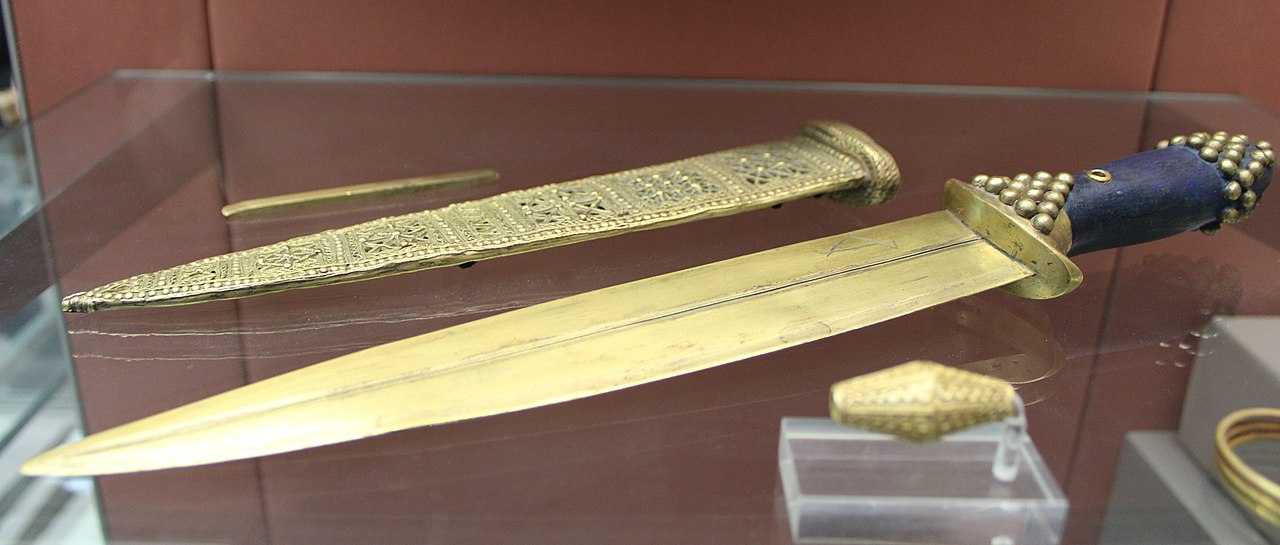
Image by Zunkir under CC BY-SA 4.0 license
Back to archive
Full disclosure, I may occasionally borrow a sentence from Will Durant's Story of Civilization. I absolutely love that collection!