

Ramesses II
In 1213 BCE, Ramesses II died. He was the last of the great pharaohs. One of the most fascinating figures in history, beside whom Alexander the Great is an immature trifle; alive for ninety-nine years, emperor for sixty-seven, father of one hundred and fifty children. He tapped the gold mines in Nubia and reclaimed Asiatic territory with this bounty. Perhaps because of these conquest campaigns he is believed to be the Pharaoh of Exodus given that he pushed his reign onto Palestine and pushed many Jews into slavery. Ramesses II saw the peak of the Ancient Egyptian period known as “The Empire”, which thereafter began its long decline. After ten more Ramesses, and many more less impactful Emperors, there was a period of priesthood control (circa 1000 BCE), and the Empire became a stagnant theocracy. By 500 BCE, their civilization couldn't compete anymore with the growing cities of Babylon, Persia, Greece, and eventually Rome. By 30 BCE, Egypt became a province of Rome and disappeared from history. Nevertheless, it is a civilization that far surpassed any of its time, and arguably any since.
Source: Durant, Will, The Story of Civilization, Vol. 1: Our Oriental Heritage, A history of civilization in Egypt and the Near East to the Death of Alexander, and in India, China, and Japan from the beginning. New York: Simon & Schuster, 1954.
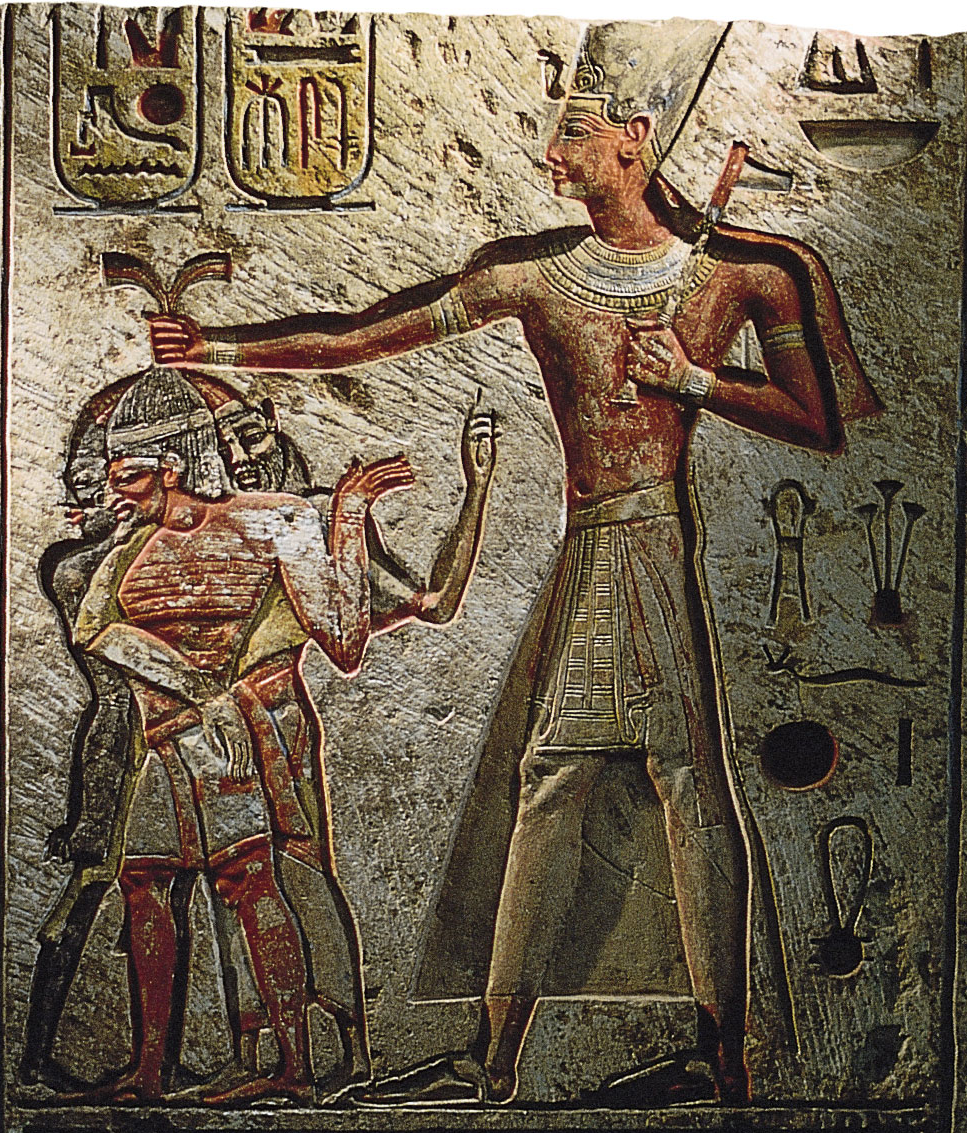
Image by Speedster under CC BY-SA 4.0 license
Back to archive
Full disclosure, I may occasionally borrow a sentence from Will Durant's Story of Civilization. I absolutely love that collection!