

Qin Shi Huang
The man who took China out of the feudal age (that ran between 770 BCE and ~230 BCE), was Qin Shi Huang. He ruled from 221–210 BCE. After conquering the vast majority of the Chinese territory, he claimed (falsely) to be "The first Emperor" of China, built the majority of the Wall, burned many books from philosophers that preceded him, and expected his bloodline to extend for ten thousand generations. He died after a futile search for an elixir of immortality, and was buried in a mausoleum guarded by 4000 life-sized Terracotta warrior statues. His bloodline ended with his son. Disorder followed after the death of Qin Shi Huang until the Han dynasty was established in 202 BCE by Emperor Gaozu of Han. This dynasty included its fifth ruler, Wen-Ti, one of the most benevolent rulers in Chinese history who restored freedom of speech and revoked previous edicts forbidding criticism of the government. Another Han dynasty reformer was Wu-Ti, the seventh ruler of the dynasty. Scholarship flourished during his time and public office could be held by anyone who passed basic examinations open for all. This brave experiment ended by a combination of natural misfortunes and human deviltry.
Source: Durant, Will, The Story of Civilization, Vol. 1: Our Oriental Heritage, A history of civilization in Egypt and the Near East to the Death of Alexander, and in India, China, and Japan from the beginning. New York: Simon & Schuster, 1954.
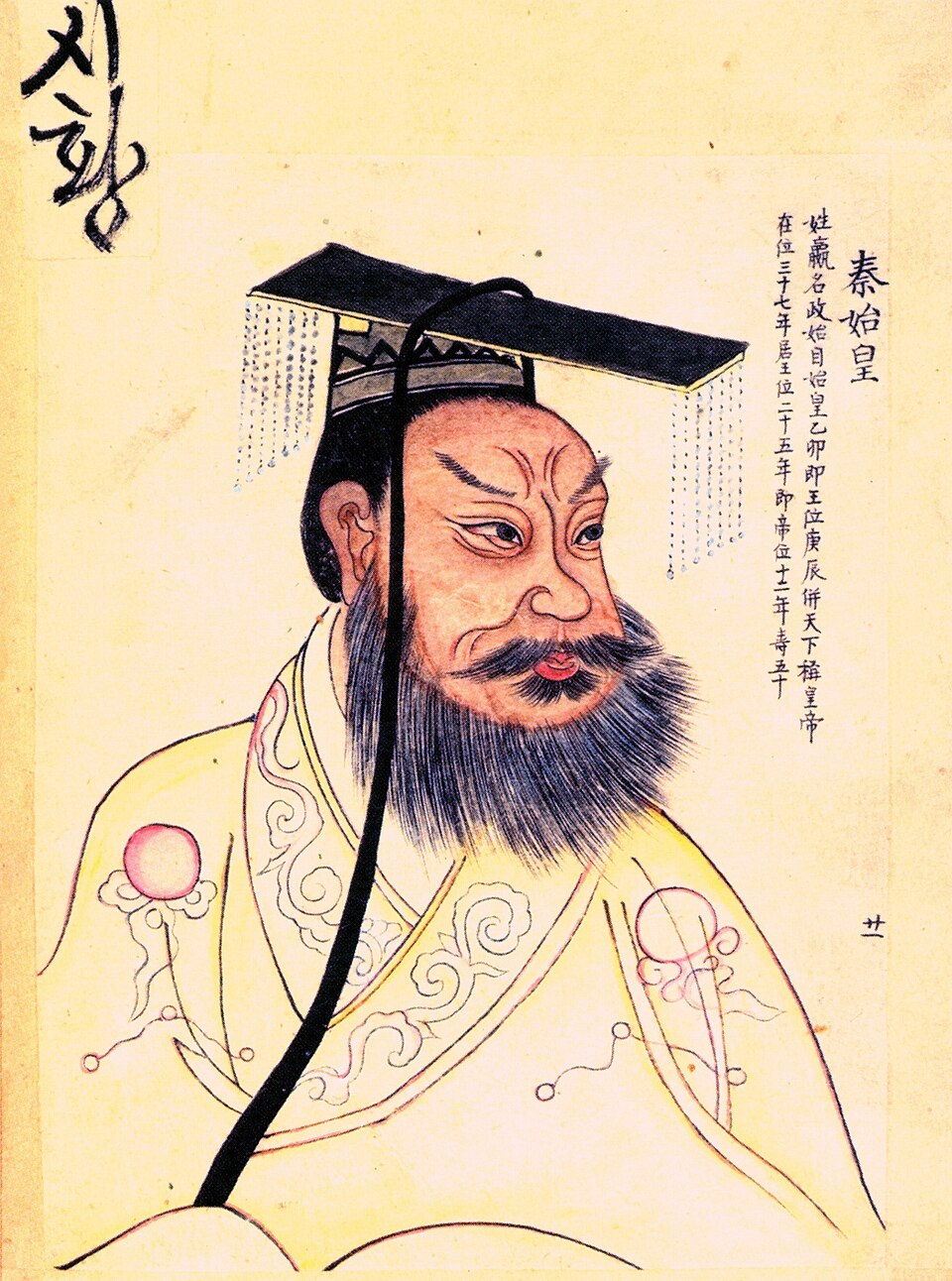
Public Domain
Back to archive
Full disclosure, I may occasionally borrow a sentence from Will Durant's Story of Civilization. I absolutely love that collection!