

The Age of Despots
During the so-called Age of Despots, there was one particularly terrible year (68-69 CE) when four Roman Emperors mounted the throne and three of them met violent ends. It all started going downhill for Emperor Nero in March of 68, when Julius Vindex, the Gallic governor of Lyons, announced the independence of Gaul. By April, Galba, the commander of the Roman army in Spain, had joined fortunes with Vindex and was marching toward Rome. Hearing that the Praetorian Guard was ready to abandon Nero for proper remuneration, the Senate proclaimed Galba emperor in June, 68. Panic struck Nero. While fleeing, he thought about poisoning himself, then about drowning himself, but his courage failed him both times. Thinking about stabbing himself, he found the knife disconcertingly sharp and mourned “What an artist dies in me!” The next day, hearing the clatter of horses, he drove a dagger into his throat, faltered, and had to have someone else press the blade home. As Galba mounted the throne (1), he quickly gained a thousand enemies by demanding that those who had received gifts or pensions from Nero must return nine tenths to the Treasury. A bankrupt senator, Marcus Otho, announced that he could pay his debts only by becoming emperor. The guards declared for him and assassinated Galba in broad daylight—cutting off his head, arms, and lips. The Senate hastened to accept Otho (2), but after ninety-five days, Otho killed himself when he saw that the Roman army of Aulus Vitellius came down from Germany and swept away the resistance in Italy. Mounting the throne, Vitellius (3) became one of the richest men in Rome and spent lavishly on feasts and other epicurean escapades. Another Roman army came, this time from Egypt, led by Anotonius, a general loyal to Titus Flavius Vespasianus who was also declared emperor (4) shortly after Otho took over. They marched into Rome, where the remnants of Vitellius' legions fought bravely for him while he took refuge in his palace. Finally, Vitellius was dragged from his concealment, was led half naked through the city with a noose around his neck, was pelted with dung, was tortured without haste, and at last, in a moment of mercy, was slain (December, 69). Vespasian was the only decent ruler of the four (or five, if we include Nero); after finishing his war with Judea, he arrived in Rome in October, 70, and he set himself with inspiring energy to restore order to a society disturbed in every aspect of its life. He made his peace with the Senate, re-established constitutional government, reorganized the army, and appointed competent generals to suppress revolts in the provinces. Among some of his greatest accomplishments we have the first system of state education in classical antiquity and the beginning of the most renowned of Roman buildings, the Colosseum. In 79 CE, Vespasian drank copiously the purgative waters of Lake Cutilia and was seized with severe diarrhea. Feeling the hand of death upon him, kept his bluff humor and remarked “Alas, I think I am becoming a god.” Almost fainting, he struggled to his feet with the help of attendants, saying, "An emperor should die standing." With these words he concluded a full life of sixty-nine years and a beneficent reign of ten.
Source: Durant, Will, 1885-1981, Caesar and Christ: A History of Roman Civilization and of Christianity from Their Beginnings to A.D. 325. Simon and Schuster, 1944.
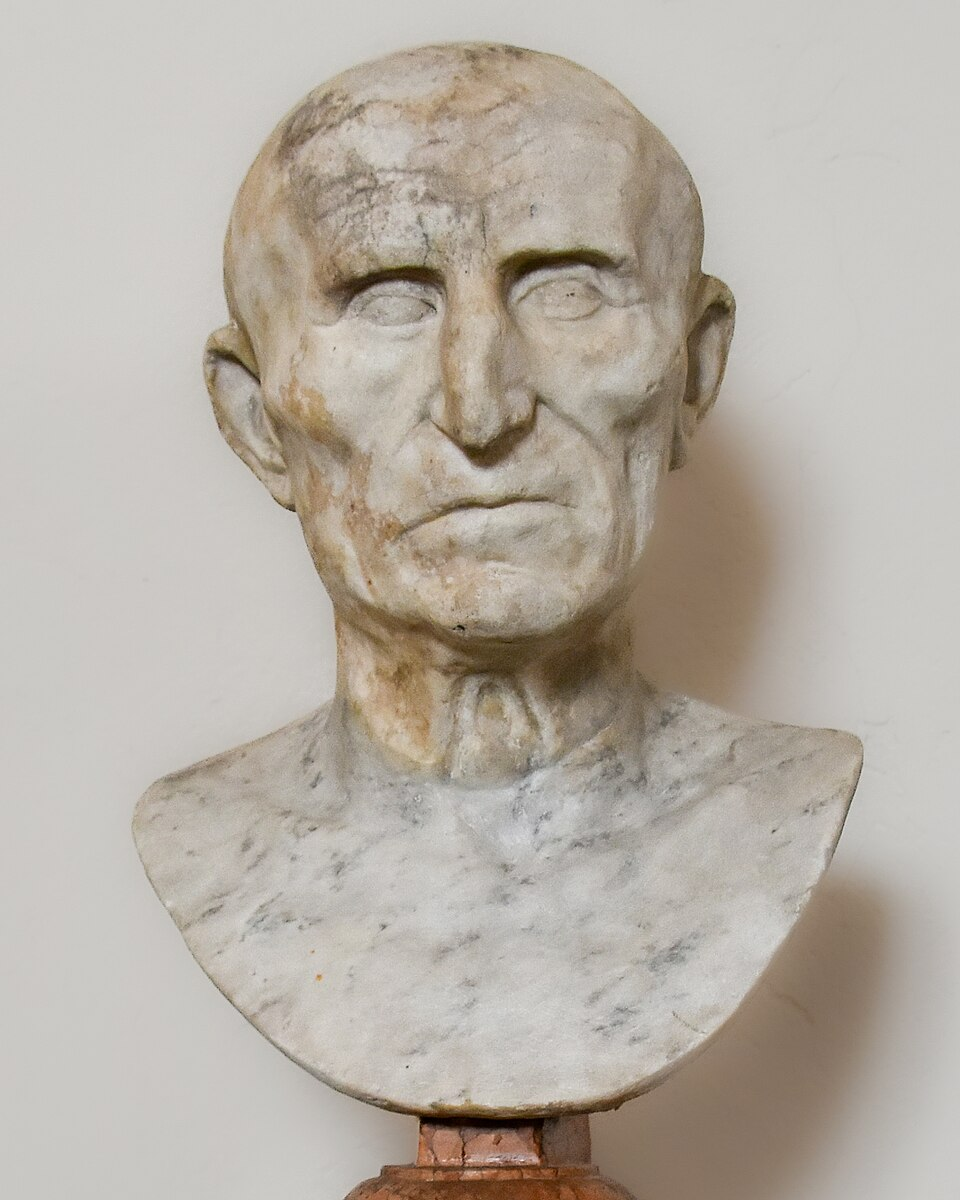
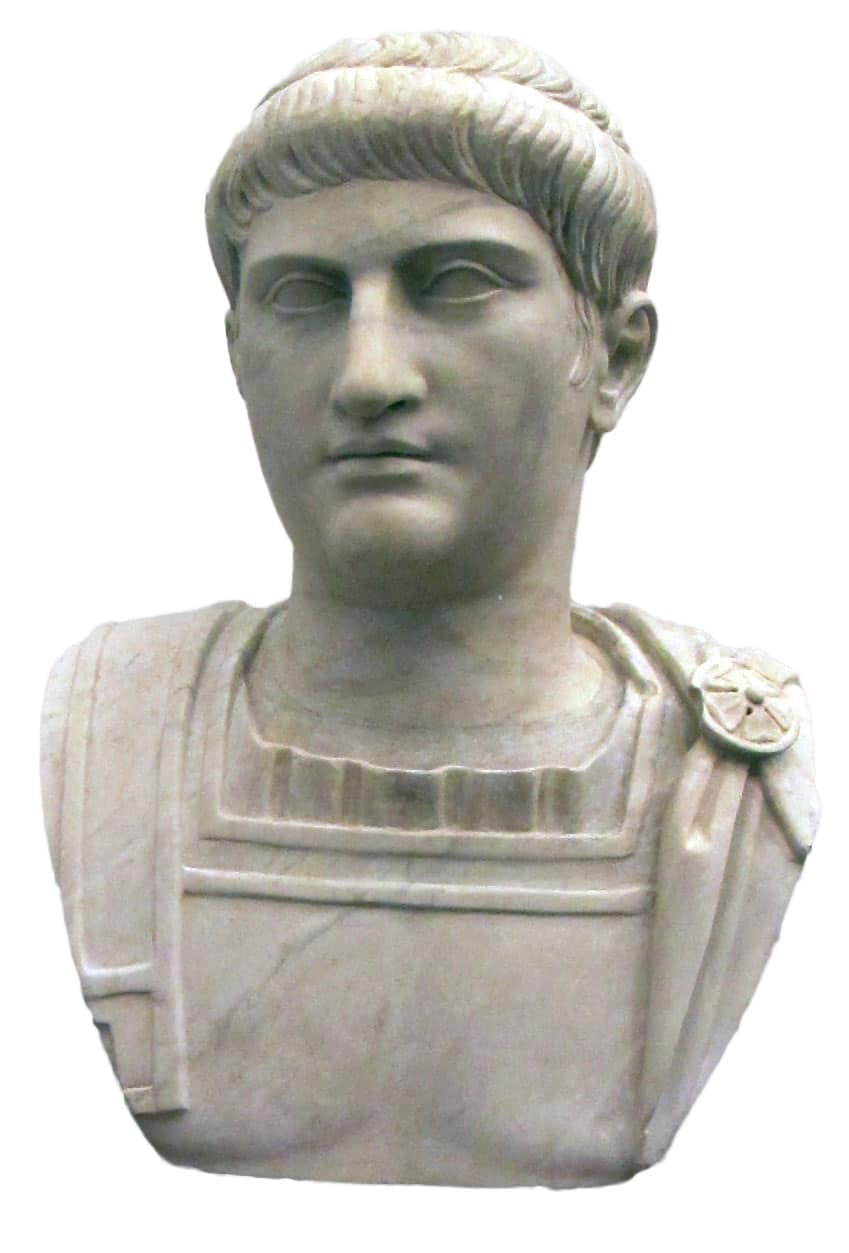
Public Domain
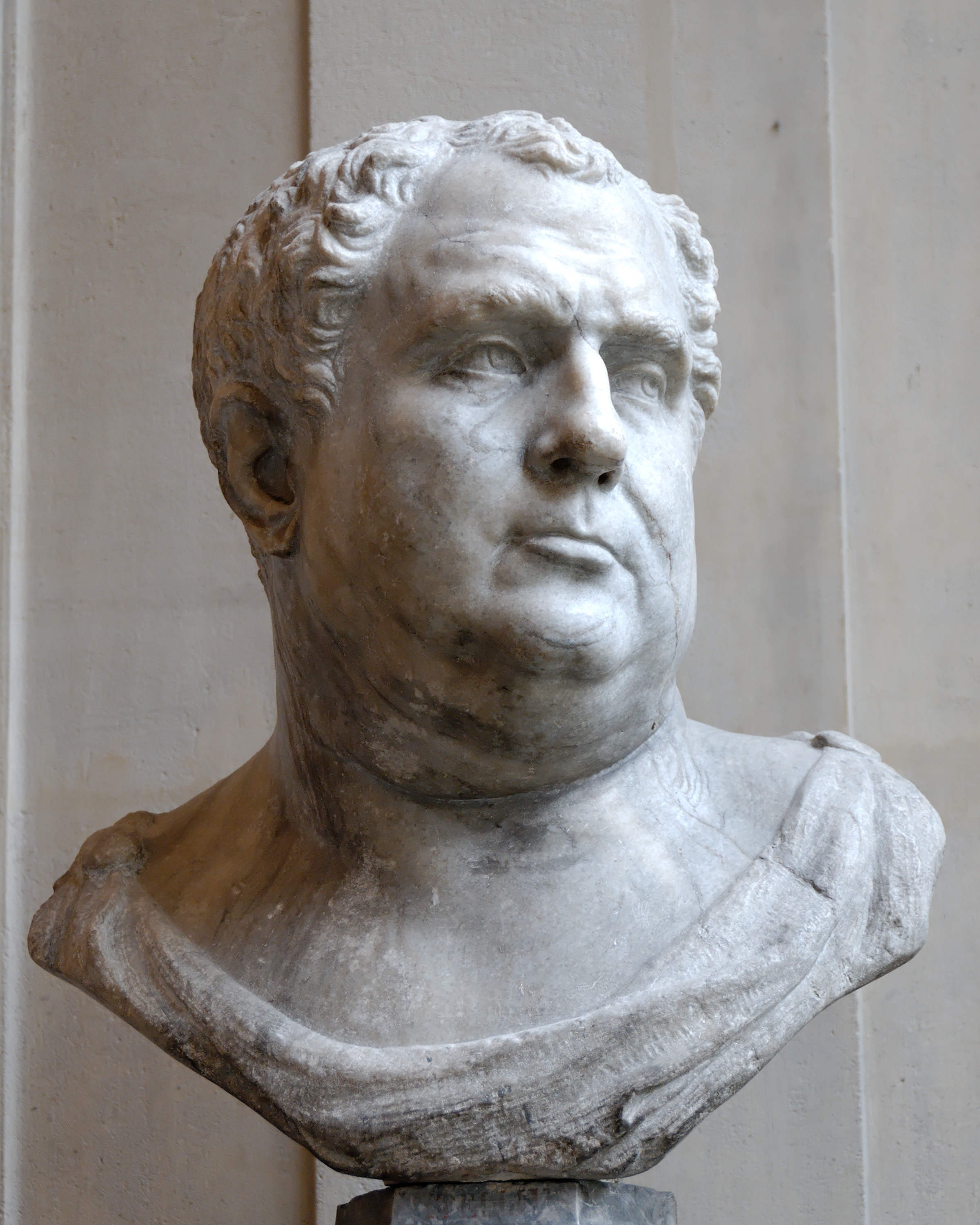
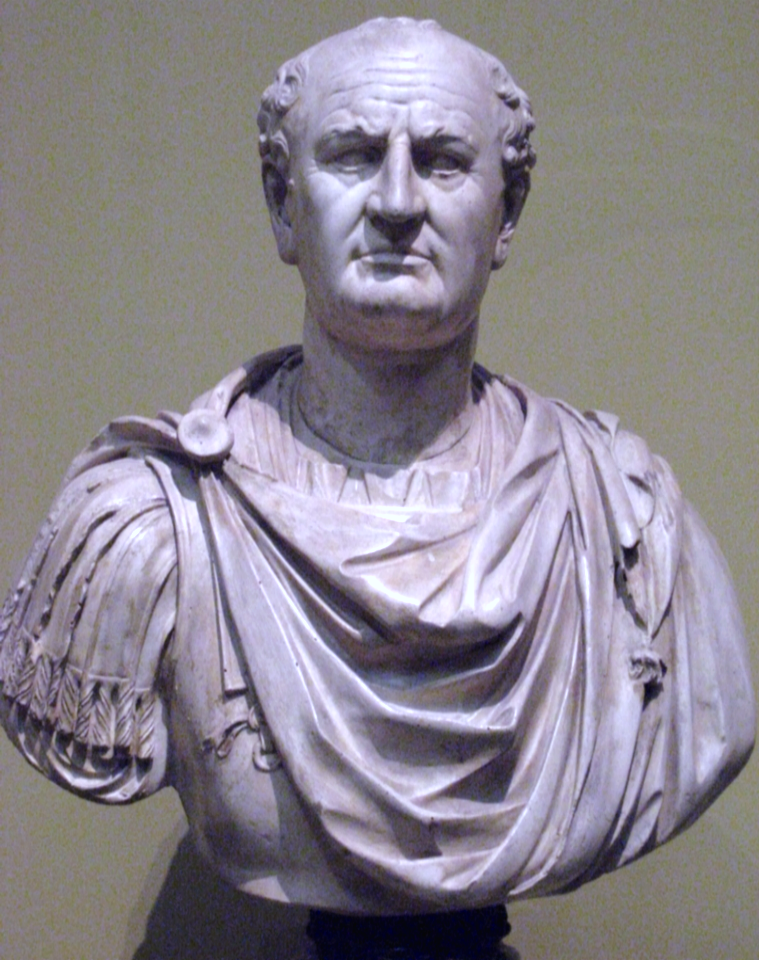
Public Domain
Back to archive
Full disclosure, I may occasionally borrow a sentence from Will Durant's Story of Civilization. I absolutely love that collection!