

From William the Conqueror to Magna Carta
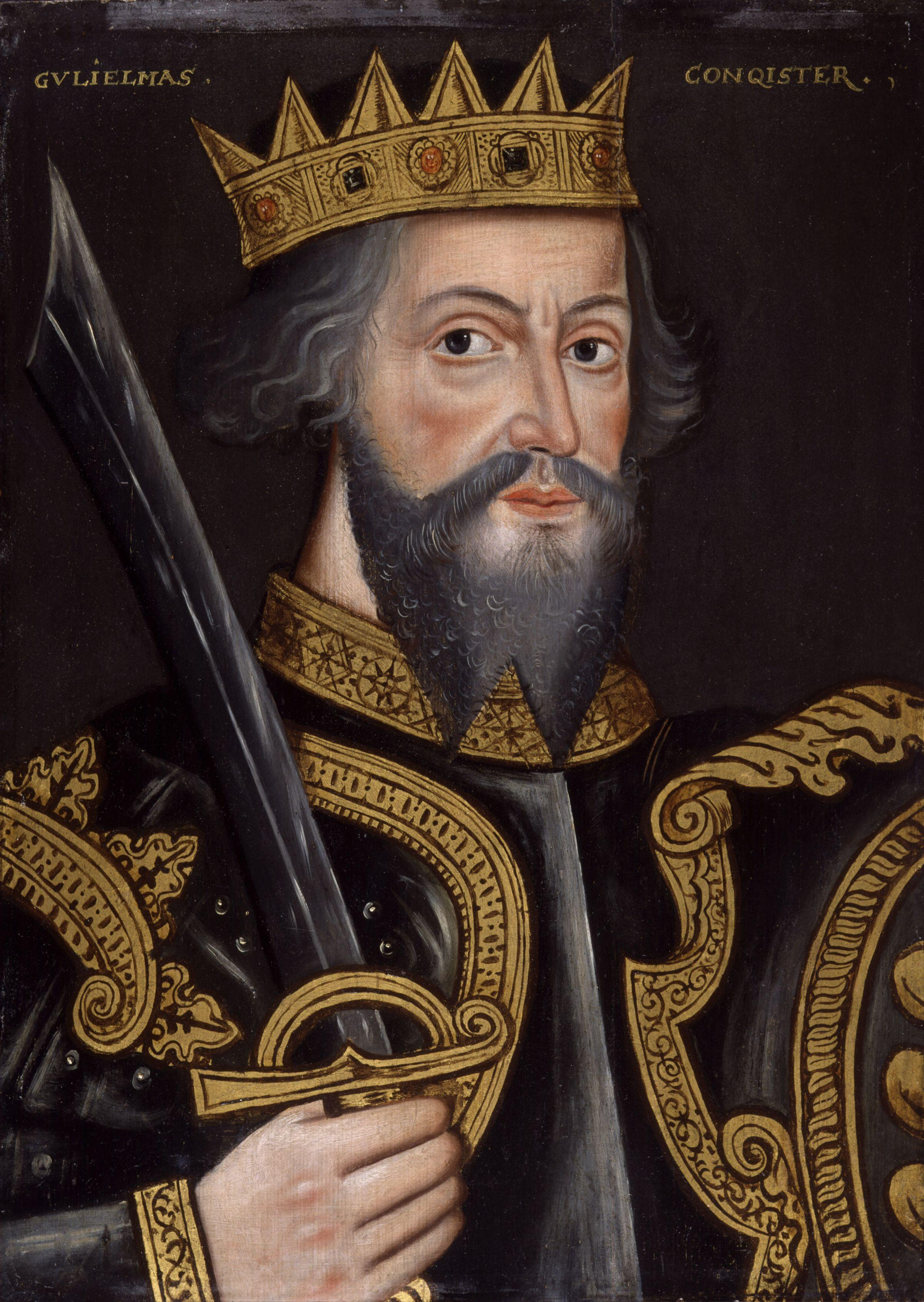
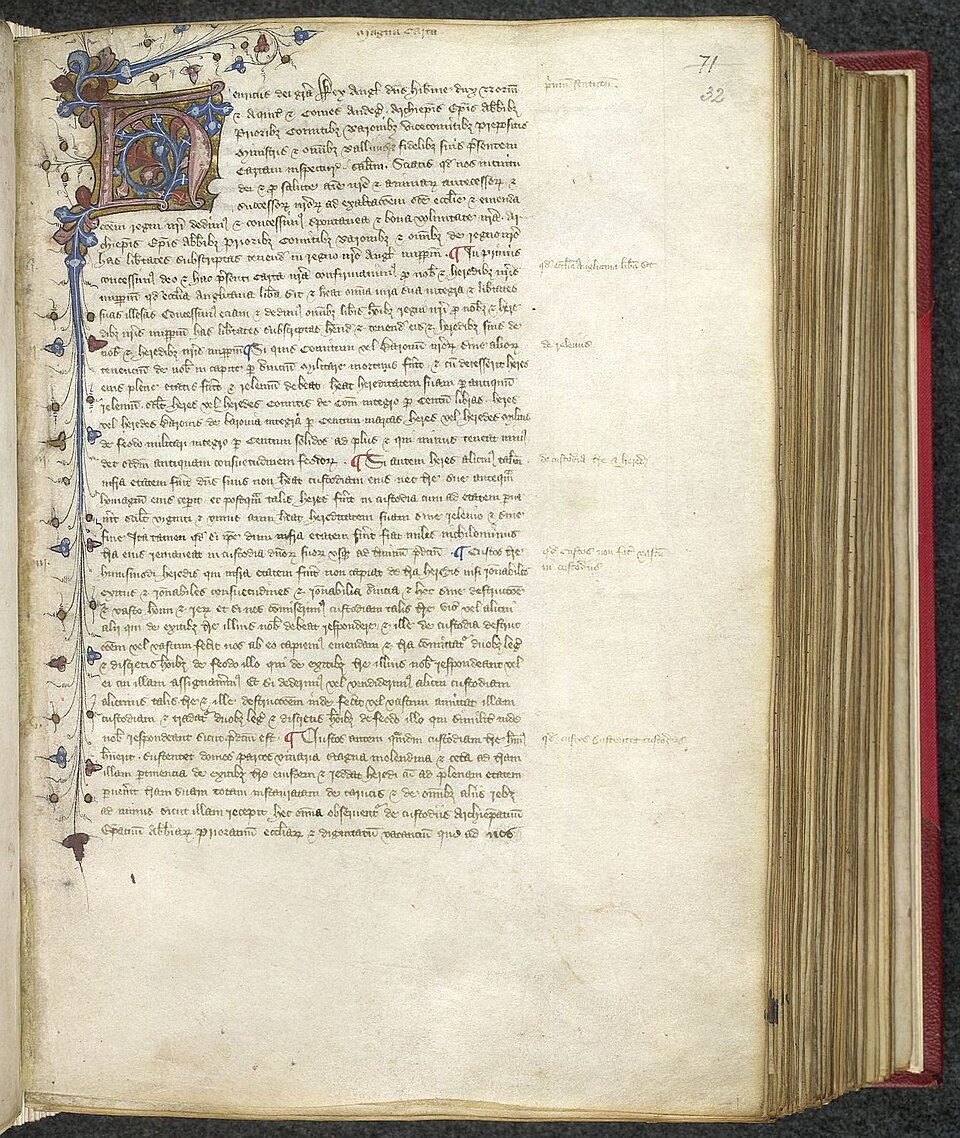
The Norman conquest of England by William the Conqueror brought peace and strong government to the island after his coronation on December 25th 1066. Despite the wars of succession that followed, England was never successfully invaded again. Over the next couple of centuries, English law developed rapidly under able kings like Henry II, John Lackland, and Edward I. At the same time, as crusades advanced, the struggle for power between the Church and the Crown intensified. One by one, threatened by ecclesiastic power-grabs, the monarchs of England looked to the nobles and the rising bourgeoisie for legal help—inadvertently eroding the Crown’s power. Their greatest surrender was the Magna Carta (150 years after William); one of the most consequential documents in history. It established habeas corpus and trial by jury. In reality it defended the rights of the nobles and the clergy far more than of the whole people. Nonetheless, it transformed absolute monarchy into limited and constitutional monarchy and is the foundation of the liberties today enjoyed by much of the “Western” world.
Source: Durant, Will, 1885-1981, The Age of Faith: A History of Medieval Civilization, Christian, Islamic, and Judaic, From Constantine to Dante, A.D. 325-1300. Simon and Schuster, 1950.
Public Domain
Back to archive
Full disclosure, I may occasionally borrow a sentence from Will Durant's Story of Civilization. I absolutely love that collection!